Commercial Electrical Repairs vs Maintenance: What Brisbane Business Owners Need to Know in 2026
For Brisbane business owners, understanding the difference between commercial electrical repairs and planned maintenance can save time, money, and help meet Queensland's strict compliance obligations. These two services serve very different purposes, and knowing when to call for each one keeps your business running safely and legally in 2026.
What Is the Difference Between Repairs and Maintenance?
Commercial electrical repairs address faults that have already happened. Maintenance is proactive work designed to stop faults from occurring in the first place.
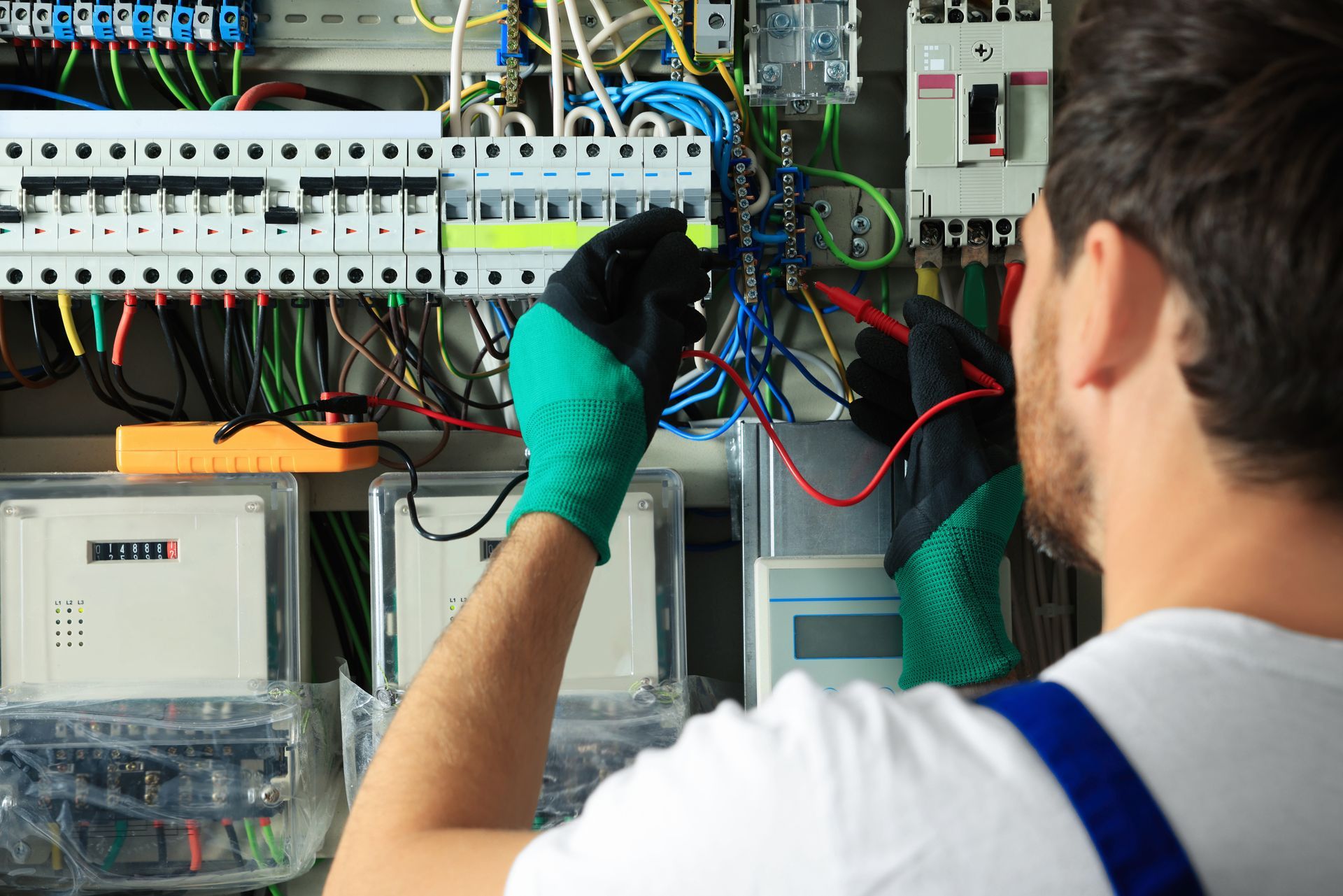
When a circuit breaker trips repeatedly, a power point stops working, or equipment fails without warning, you need commercial electrical repairs. The goal is to restore safe operation quickly and identify the root cause so the same fault does not return.
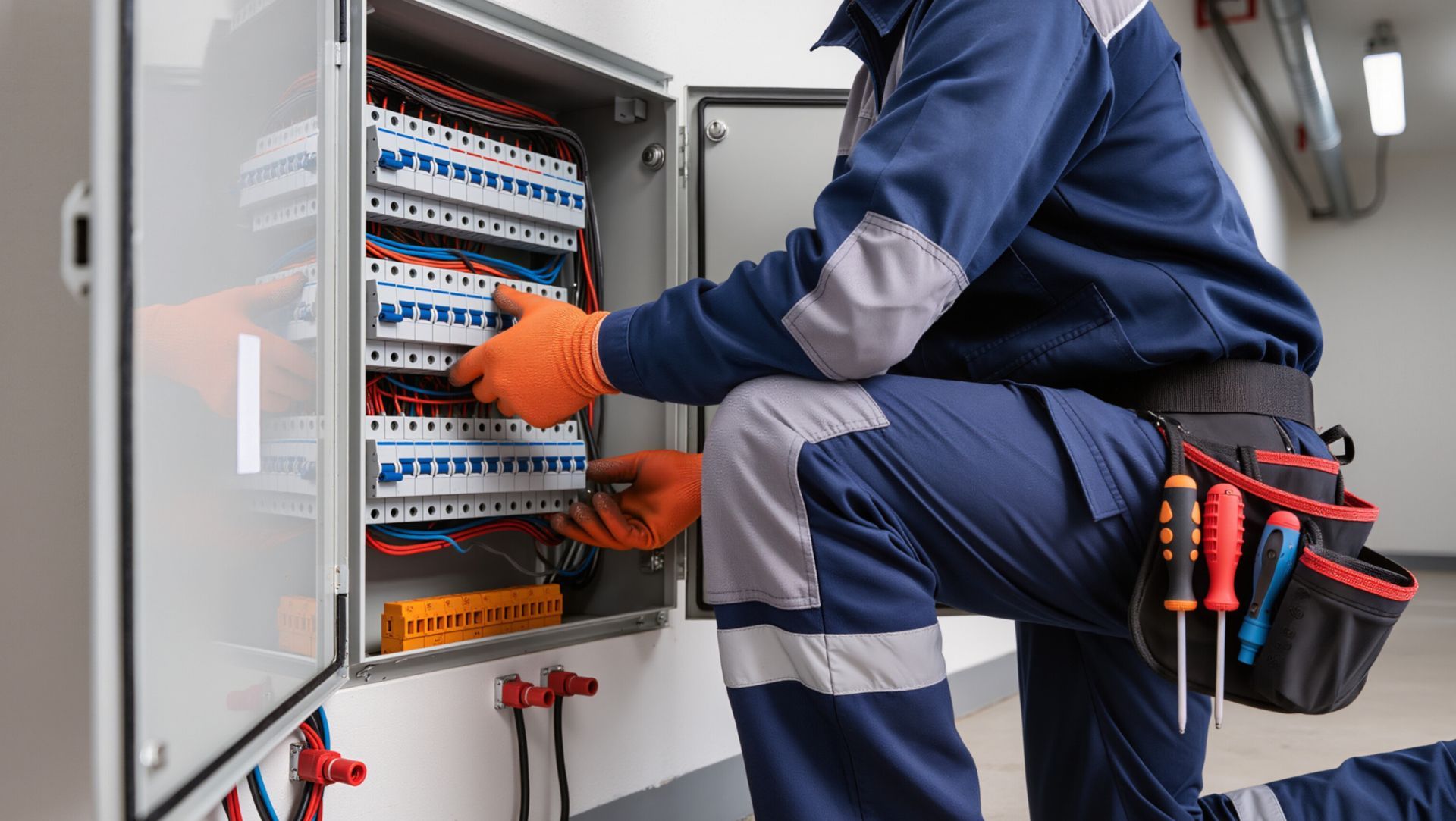
Planned maintenance is scheduled in advance. It typically includes safety switch testing, emergency lighting inspections, thermal imaging checks, test and tag of portable appliances, and switchboard servicing. This work keeps small issues from becoming costly breakdowns.
Why Does This Distinction Matter for Brisbane Businesses?
Brisbane businesses carry real compliance obligations under the Electrical Safety Act 2002 and the Electrical Safety Regulation 2026. Queensland's electrical safety laws apply to every place of work in the state, meaning business owners share responsibility for the condition of their electrical systems, not just electricians.
The Electrical Safety Regulation 2013 sets practical requirements for electrical equipment, testing, maintenance, and workplace controls. The person conducting a business or undertaking must take reasonable steps to ensure electrical equipment is safe and maintained. Work that meets the definition of electrical work must be completed by an appropriately licensed electrical worker, whether that work is a repair or a maintenance task.
Key Maintenance Obligations Brisbane Business Owners Should Know
Safety Switch (RCD) Testing
Every non-hostile commercial premises requires six-monthly push-button testing and 12-monthly operational testing to confirm trip time and trip current are within AS/NZS 3000 specification. Hostile environments such as construction sites and heavy manufacturing require more frequent testing, and records must be kept for five years.
Emergency and Exit Lighting
AS/NZS 2293.2 governs maintenance requirements. Every emergency and exit light must be discharge-tested every six months, with a minimum 90-minute battery discharge test to confirm the light can run for the full emergency duration.
Test and Tag of Portable Appliances
AS/NZS 3760 covers in-service testing of portable appliances, including power boards, extension leads, and IT equipment. Digital record-keeping is now the standard for faster compliance reporting and better transparency.
When Should You Call for Repairs?
A planned maintenance schedule will not prevent every fault. Commercial electrical repairs may be needed when you notice any of the following at your Brisbane premises.
▸ Flickering or intermittent lighting across multiple areas of your building.
▸ A switchboard that is warm to touch, tripping frequently, or showing signs of burning.
▸ Power points or circuits that stop working suddenly without a clear cause.
▸ Equipment that runs inconsistently or trips safety switches when switched on.
▸ A burning smell or visible signs of heat damage near electrical equipment.
Leaving these signs unaddressed may expose your business to liability under Queensland law. Unsafe electrical equipment at a workplace must be disconnected or isolated from its electricity supply and must not be reconnected until it is repaired or tested and found to be safe.
How Repairs and Maintenance Work Together
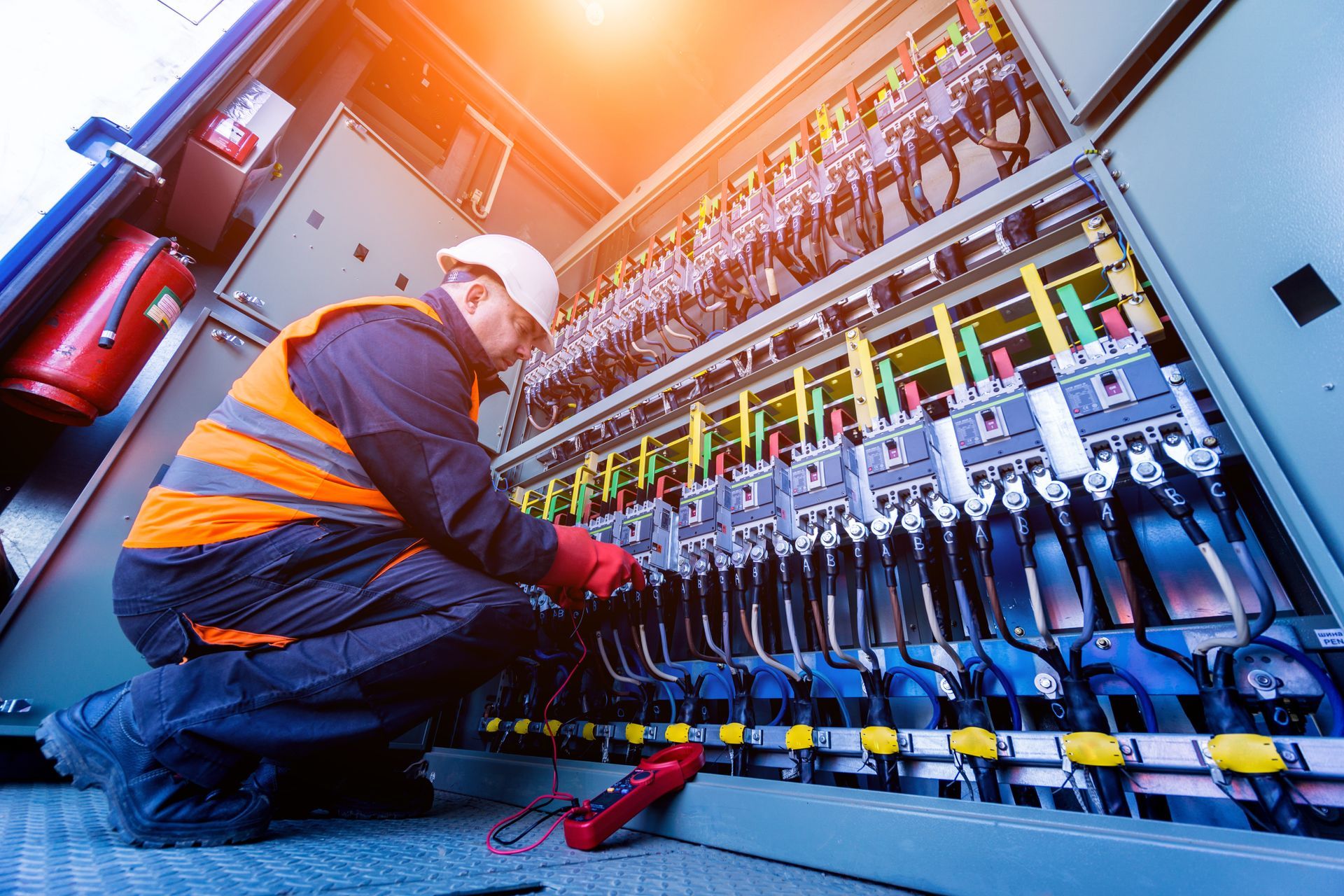
A well-run maintenance programme often uncovers faults before they become emergencies. Thermal imaging can reveal overloaded circuits or loose connections that are invisible to the eye. Addressing these early typically means a smaller repair scope and far less disruption to your operations.
Brisbane's subtropical climate can accelerate wear on electrical equipment. Heat and humidity degrade insulation, corrode connections, and shorten the life of switchboard components. Businesses in warehouses, food production facilities, or other environments where heat and moisture are constant factors benefit especially from regular maintenance.
Businesses in Brisbane's northern industrial corridor, from Northgate through to Brendale and Virginia, often run high-load systems that benefit most from scheduled inspections. Retail and hospitality venues in suburbs such as Fortitude Valley and Chermside may have older tenancy fitouts where wiring inspections can identify risks that are not immediately obvious. Read more on the commercial electrical services Brisbane page.
Frequently Asked Questions
What Counts as Electrical Work Under Queensland Law?
Electrical work covers installing, repairing, altering, or maintaining electrical wiring, switchboards, and equipment. Only a licensed electrical worker may carry out this work legally, whether it is a reactive repair or a scheduled maintenance task.
How Often Should a Commercial Property Have a Maintenance Inspection?
The frequency depends on your industry, equipment, and environment. A low-risk office might require RCD testing every 24 months, whereas a high-activity workshop or industrial site often needs more frequent intervention. A licensed electrician can help determine the right schedule for your premises.
Can I Delay Commercial Electrical Repairs if the Fault Seems Minor?
Delaying repairs is not advisable. Even a fault that appears minor can signal a more significant issue in the wiring or switchboard. Queensland law requires that unsafe equipment be isolated until it is properly repaired and tested. A prompt inspection by a licensed electrician is the safest and most legally sound course of action.
Does Planned Maintenance Reduce the Need for Emergency Electrical Repairs?
Planned maintenance can significantly reduce the likelihood of emergency call-outs. Routine inspections catch developing faults, loose connections, and compliance gaps before they become urgent problems. Businesses with a consistent programme in place tend to experience fewer unplanned outages and lower overall repair costs over time.
Talk to Brisbane's Commercial Electrical Specialists
A.J.C. Electrical Service Pty Ltd has been supporting Brisbane businesses with commercial electrical services since 1979, from emergency fault repairs through to comprehensive planned maintenance programmes. The team is fully licensed, insured, and a member of Master Electricians Australia.
To discuss a maintenance plan, book a compliance inspection, or request assistance with commercial electrical repairs, contact the team today on (07) 3266 1888 or request a free quote online.